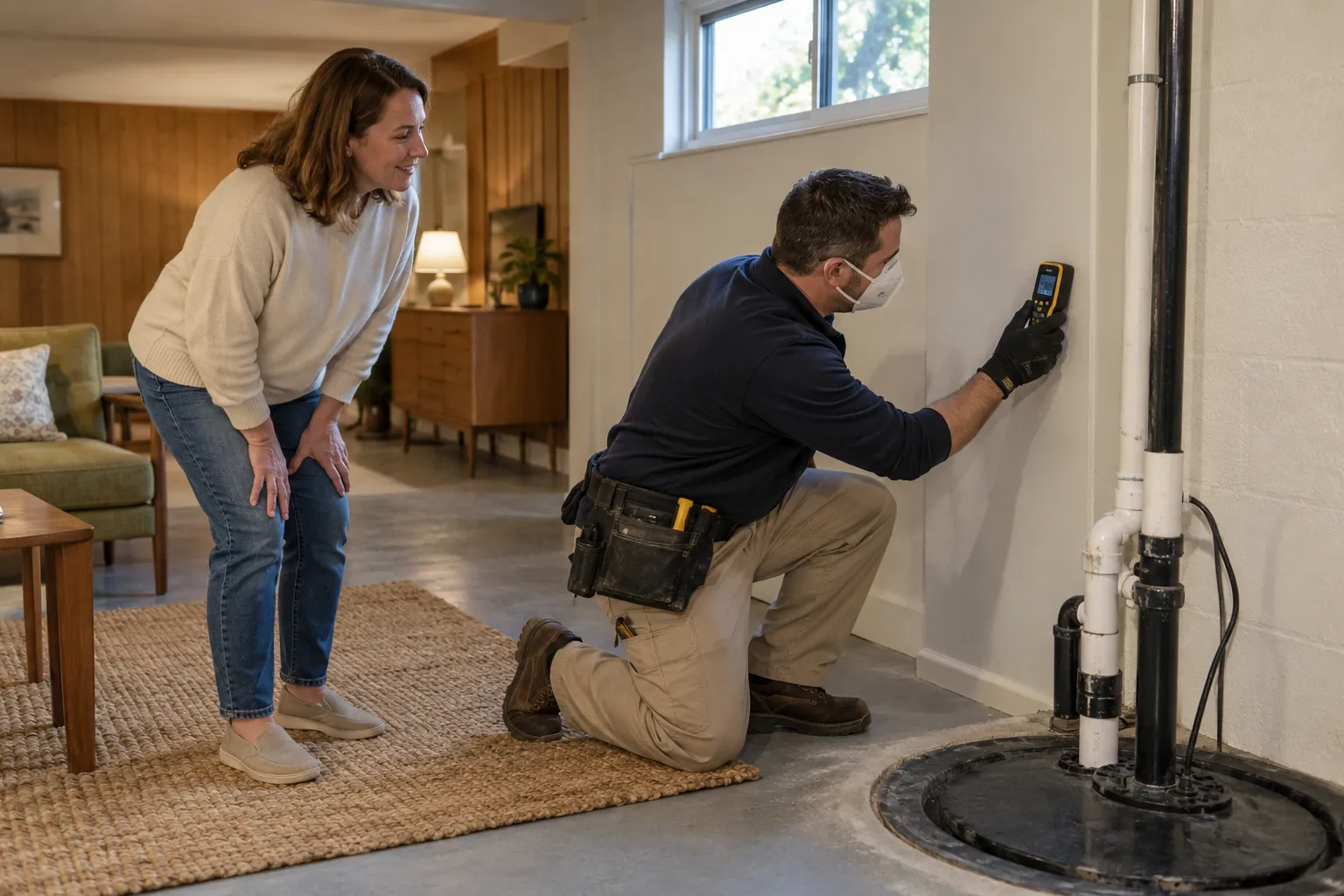
Mold Remediation Help for Detroit Homeowners
Spotted mold or smelled something musty? Localfield Mold Help connects you with independent local providers who inspect, test and remove it. Request an estimate and take the next step with confidence.
- Independent local providers in our network
- No obligation to request
- Help with black mold concerns
- Tips to keep mold from returning
Found Mold? Start Here, Calmly
Did you spot a dark patch, a fuzzy spot, or a musty smell you cannot explain? Take a breath. You are in good company, and this is a problem that can be fixed.
Localfield Mold Help is a referral service. We connect Detroit homeowners with independent providers in our network who inspect, test and remove mold. We do not do the work ourselves. The provider you speak with does.
So what should you do first? Keep the area dry. Stay out of the room if you can. Skip the bleach spray on large patches, since it can spread spores and does not solve a moisture problem. Then request an estimate and describe what you see.
Maybe you typed "mold inspection near me" after a long day of worrying. Good move. An inspection helps find where the water is coming from, and that matters as much as the mold itself.
Would you rather talk it through? Request a callback to check provider availability. Call hours vary by provider.
There is no obligation. You can ask questions, compare options and decide at your own pace.
How It Works
What does Localfield Mold Help actually do?
We are the matchmaker, not the contractor. You tell us about your mold problem. We point you toward an independent local provider in our network who handles homes like yours. The provider sets the scope, the schedule and the price. You decide whether to move forward.
Can I handle this myself?
Sometimes, yes. Here is a simple rule of thumb.
- Often fine for DIY: a small patch on a hard, nonporous surface, like tile grout or a window frame, with gloves, a mask and good airflow.
- Time for a pro: mold on drywall, insulation or wood, patches larger than a few square feet, a musty smell with no visible source, or any sign of black mold.
Why the line? Professionals use containment, air filtration and moisture meters. Those tools keep spores from drifting into the rest of your house.
Why start with an inspection?
Mold is a symptom. Moisture is the cause. A good inspection looks for leaks, humidity and hidden damp spots. Many homeowners also ask about certified mold testing, which can show what type of mold is present and how much. Ask each provider what credentials they hold and what their testing covers.
What happens after the cleanup?
The job is not finished when the mold is gone. A provider can often suggest fixes for the source and ways to keep humidity under control, so the problem does not come back.
Mold Help Across the Region
Does your home sit in Detroit or somewhere nearby in the Detroit area? Providers in our network work across the region, so there is a good chance one can reach you.
The weather here gives mold plenty of chances. Cold winters bring deep frost that can crack foundations and let water in. Hot, humid summers keep basements damp. Spring flooding and heavy thunderstorms push water where it does not belong, and hail can damage roofs, opening the way for leaks.
The homes matter too. Full basements with sump pumps are common, and a pump that fails during a storm can leave a wet floor behind. Many frame houses have stood for decades, and older bungalows and ranch homes may have aging seals, gutters and vents.
Not sure whether your situation needs a pro? Describe it in a request and let a local provider weigh in.
Provider availability depends on the season and the job, so it helps to ask early.
Your Mold Questions, Answered Plainly
Is that spot really mold?
Maybe. Mold often looks like fuzzy or speckled patches in green, black, white or gray. Dirt and soot can look similar. A damp, earthy smell is a strong clue. When in doubt, an inspection can settle it.
Is black mold always dangerous?
Not every dark mold is the toxic kind people fear. Still, any mold indoors deserves attention, especially if someone at home has asthma, allergies or a weak immune system. Testing can tell you what you are dealing with.
Why did mold show up here?
It needs moisture, food and time. Drywall, wood and dust give it food. A leaking pipe, a damp basement wall or poor airflow gives it water. Find the moisture and you find the reason.
What can I safely do while I wait?
Run a dehumidifier. Open windows when the weather allows. Fix any simple leak you can see. Wear a mask and gloves if you must go near it. Do not disturb large patches, and do not run fans straight at them.
What does a provider do differently?
A provider seals off the area, filters the air, removes affected materials and cleans nearby surfaces. They also check moisture levels afterward. That process is hard to copy with household tools.
What will it cost?
In the U.S., small jobs often run from a few hundred to a couple of thousand dollars. Larger or hidden problems can cost much more. Prices vary by job, so get a written quote from each provider.
Will insurance help?
Some policies may cover sudden damage, such as a burst pipe. Slow leaks are often treated differently. Check your policy, and know that providers can often help document damage for a claim.
How do I keep it from coming back?
Keep indoor humidity low, ideally under about 50 percent. Test your sump pump before storm season. Clean gutters and point downspouts away from the house. Fix leaks quickly, and run bathroom and kitchen fans.
When should I check again?
Look at basements, attics and window corners after heavy rain and each spring thaw. A quick look every few months can catch trouble while it is still small.
Ready When You Are
Have a question, or want to see what a local provider might say about your home? Send a short request and describe what you see. Photos and notes help, but they are not required.
Prefer to talk? Request a callback to check provider availability. You can also email contact@localfield.garden. There is no obligation, and you choose what happens next.
Why Choose Localfield Mold Help?
We help Detroit homeowners find independent local mold providers, so you know your next step and can take it with confidence.
Spot the Signs
Note musty smells, stains, or damp areas. Take photos and keep family away from the area.
Request an Estimate
Tell us about the problem, and a local provider can reach out to you.
Review the Plan
Compare the written scope, testing, and containment steps from the provider.
Keep It Dry
After the work, manage humidity and fix leaks quickly.
Need help in Detroit?
Questions about mold in your home? Send a request through the form or email contact@localfield.garden. There is no obligation, and a local provider can follow up.
No obligationCommon Mold Questions, Answered
What should I do first if I find mold in my house?
Stay calm and find out whether the area is damp. Limit use of the room, and do not scrub or spray large patches. Take photos, then request an estimate so a local provider can assess the spread and the moisture source.
Can I remove mold myself or do I need a professional?
Small patches on hard surfaces, like tile, can often be cleaned with gloves, a mask and airflow. Mold on drywall, insulation or wood, large areas, or lingering smells usually call for a provider with containment and filtration equipment.
Is black mold removal different from regular mold removal?
The basic steps are similar, but dark mold often gets extra care because it can sit deep in materials. Testing can identify what is growing. Providers usually use stronger containment to keep spores from spreading to other rooms.
How much does mold remediation cost?
In the U.S., small jobs often run from a few hundred to a couple thousand dollars. Larger or hidden problems cost more. Price depends on size, materials and location, so ask for a written quote.
Does homeowners insurance cover mold cleanup?
Some policies may cover mold that follows sudden damage, such as a burst pipe, but long-term leaks are often treated differently. Check your policy and ask your insurer. Providers can often help document damage for a claim.
Our Services
Two kinds of help are on offer through providers in our network. Mold remediation covers cleanup of mold found in living spaces, basements and attics. Black mold removal services focus on dark, stubborn growth that calls for extra care and containment.
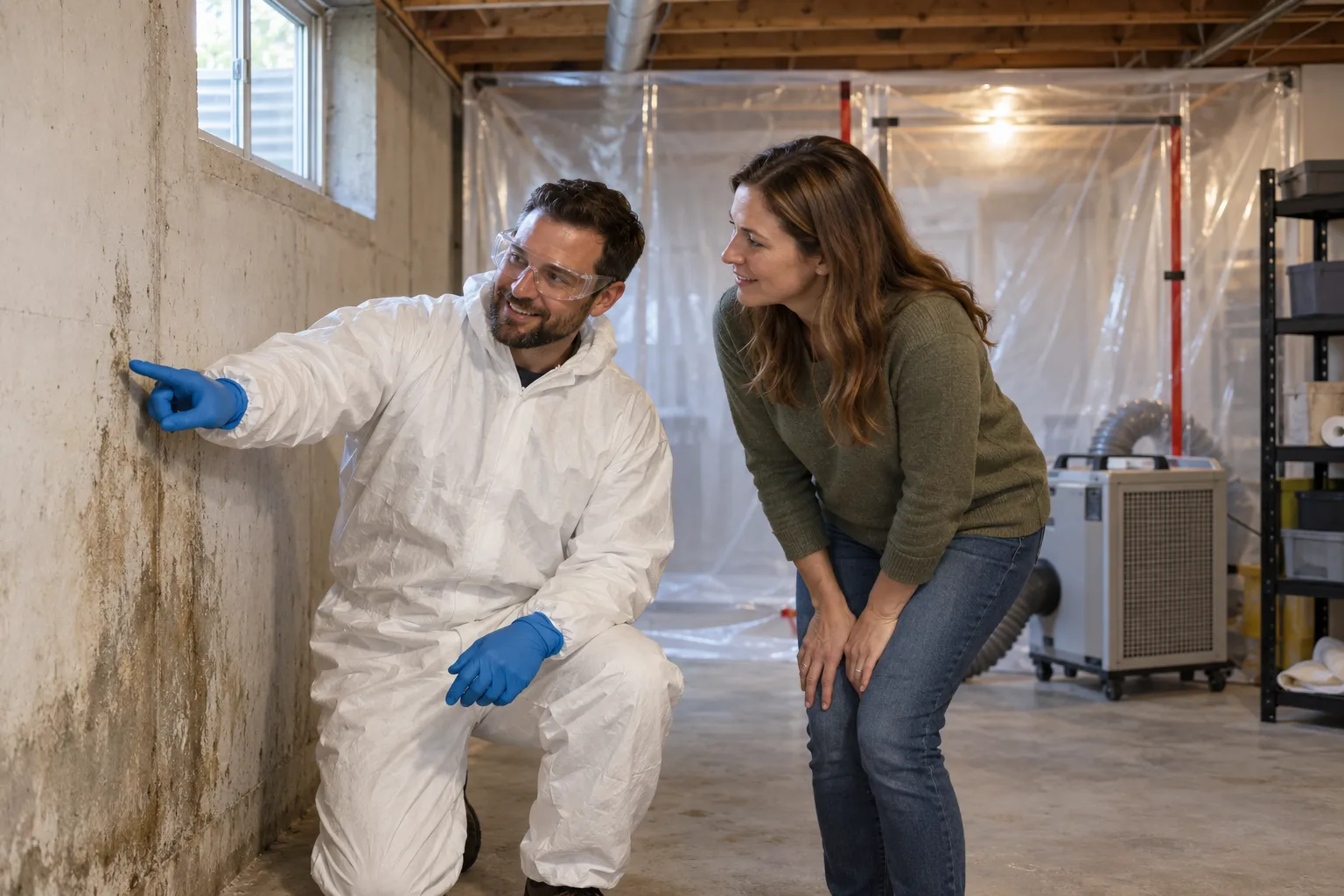
Mold Remediation
Mold remediation means finding the moisture, containing the mold, removing it safely, and helping it stay gone.
See the details about Mold Remediation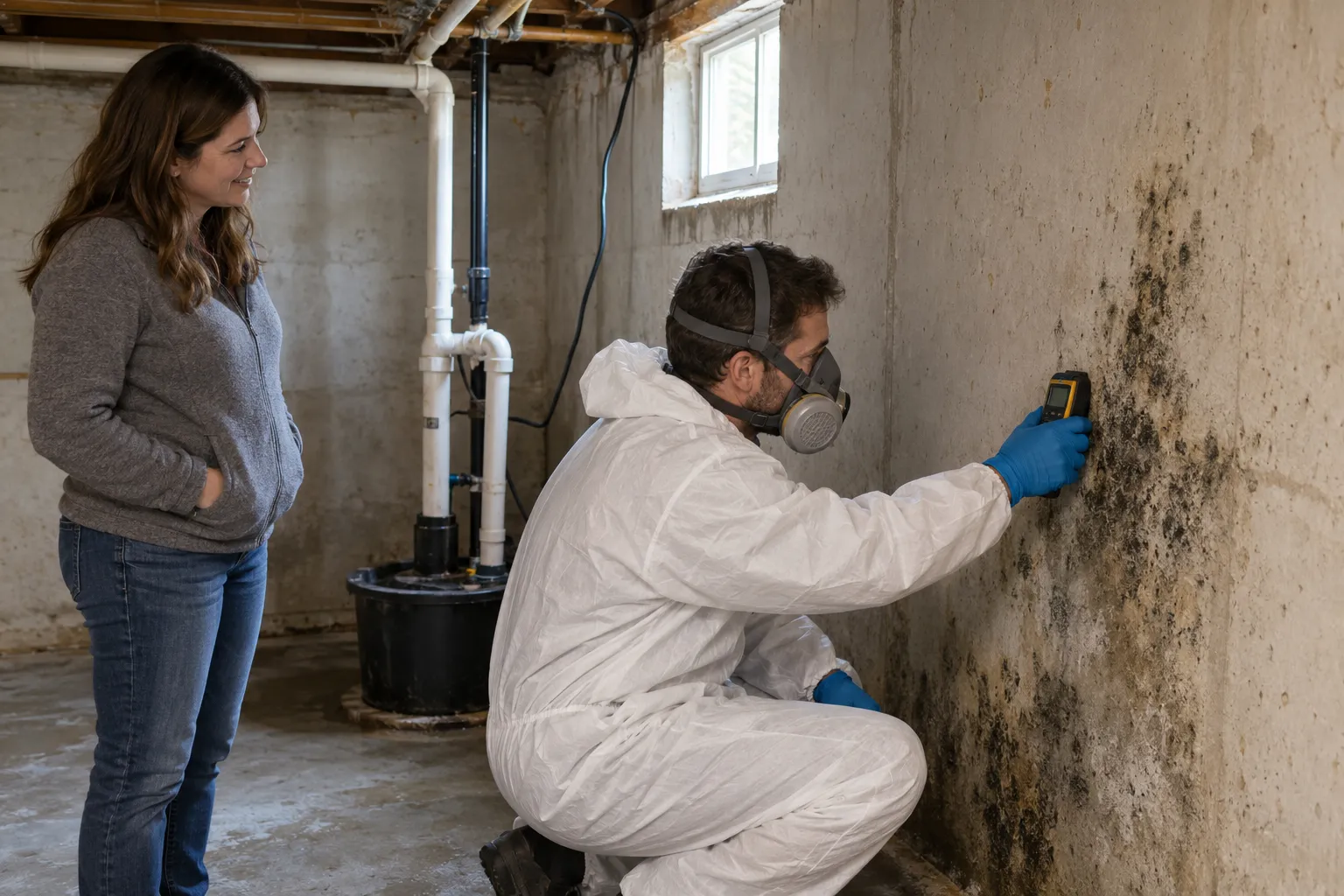
Black Mold Removal Services
Spotted dark mold at home? Learn what is safe to do yourself and when a local provider should step in.
See the details about Black Mold Removal ServicesLocalfield Mold Help Is Proud To Serve the Detroit area
Detroit Sterling Heights Dearborn Heights Southfield Dearborn Westland Novi Rochester Hills Madison Heights Royal Oak Pontiac Warren Romulus Farmington Hills
Request a callback
Questions about mold in your home? Send a request through the form or email contact@localfield.garden. There is no obligation, and a local provider can follow up.
No obligation